Multilateral Lobbying &
Institutional Advocacy
BTF actively engages with the international diplomatic community and human rights mechanisms headquartered in Geneva to ensure our field data informs global policy.
Human Rights Council (HRC)
Systematic submission of verified written statements and interactive dialogues during UN regular sessions.
Universal Periodic Review (UPR)
Independent, fact-based "shadow reports" on country compliance with labor and environmental rights.
UN Special Procedures
Empirical data briefings to UN Special Rapporteurs to trigger official communications and country visits.
Diplomatic “Side-Events”
Convening state delegates and corporate actors at the Palais des Nations to debate climate justice.
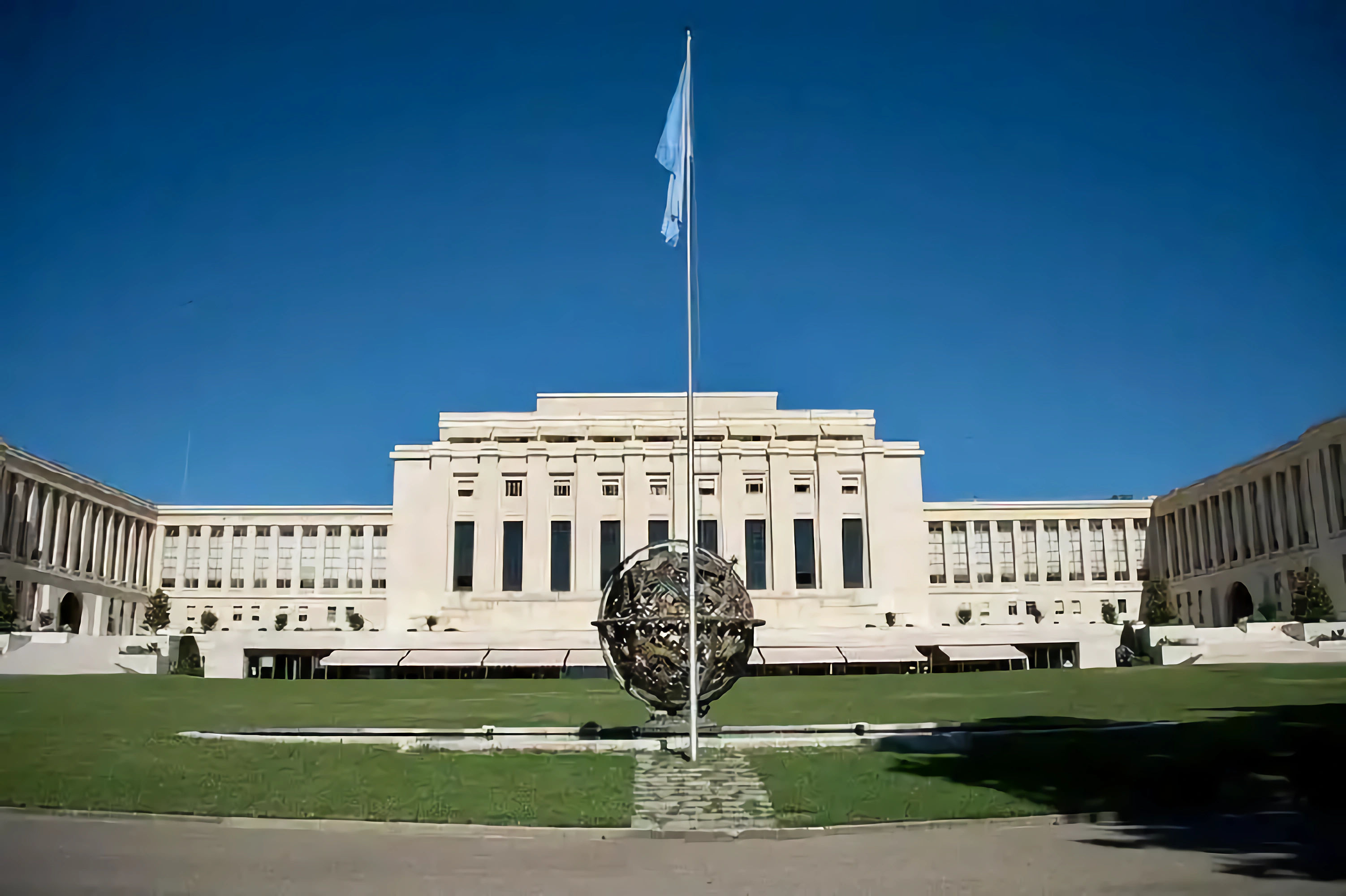
"Ensuring field data informs global policy through direct institutional engagement."
Mixed-Methods Fact-Finding
Our investigative teams deploy to conflict zones, climate-impacted regions, and industrial hubs to conduct structured interviews, site inspections, and secure digital data collection.
Source Protection & Ethical Compliance
Operating under strict ethical guidelines, we employ advanced digital security and anonymization protocols to protect the identities of vulnerable whistleblowers, marginalized women, and labor organizers.
Consulting-Grade Reporting
Raw field data is synthesized by our Geneva-based analysts into Human Rights Impact Assessments (HRIAs) and actionable policy briefs, designed to meet the evidentiary standards required by international courts and corporate compliance boards.
Field Research &
Evidence
Generation
The foundation of our credibility is our primary data collection. We eschew secondary aggregations in favor of direct, verifiable human intelligence (HUMINT) and participatory field research.
"Building a bridge supported by the highest standards of physical evidence."
3.Corporate Advisory &
Supply Chain Due Diligence
In the Swiss tradition of constructive dialogue and neutrality, BTF engages directly with the private sector. We recognize that sustainable human rights protections require corporate cooperation.
Due Diligence Auditing
We advise multinational corporations and European regulatory bodies on identifying and mitigating systemic human rights risks within complex global supply chains, ensuring compliance with emerging frameworks like the EU Corporate Sustainability Due Diligence Directive (CSDDD).
Industrial Mediation
Acting as a neutral third-party facilitator, BTF utilizes the legal frameworks of the International Labour Organization (ILO) to mediate impasses between transnational corporations, local governments, and independent trade unions.
Strategic Litigation Support &
Capacity Building
We ensure that our findings lead to tangible justice and empower local actors to defend their own communities.
Access to Remedy
BTF partners with international legal clinics to provide evidentiary support and amicus curiae (friend of the court) briefs for strategic litigation cases, particularly concerning climate displacement and corporate accountability for child labor.
Grassroots Empowerment
Through our “Future Bridge” initiative, we host technical training workshops for local human rights defenders in the Global South, equipping them with modern documentation techniques, digital security practices, and pathways to access UN mechanisms.